Ensuring the safety of your property’s electrical systems is one of the most critical aspects of maintenance. Whether you are a homeowner, landlord, or business owner, regular electrical inspections are essential for identifying potential hazards and ensuring that everything is operating safely. An EICR (Electrical Installation Condition Report) is one of the best ways to assess the condition of a property’s electrical system. In this article, we will discuss the importance of having an electrical inspection, the process involved, and why it is necessary for legal compliance and safety.
What is an Electrical Inspection?
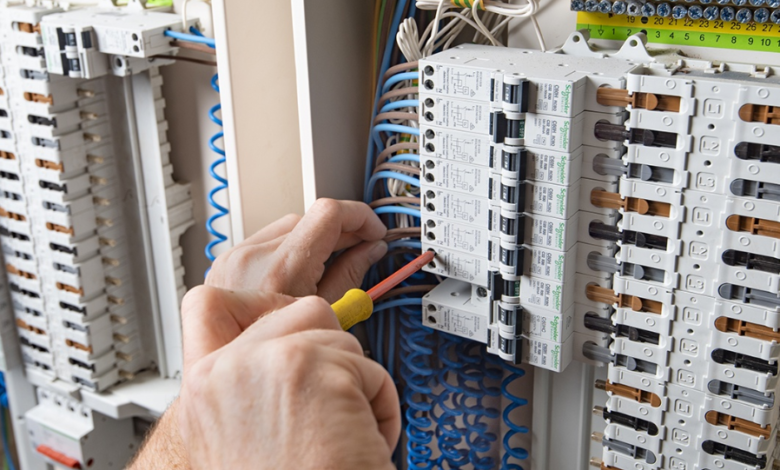
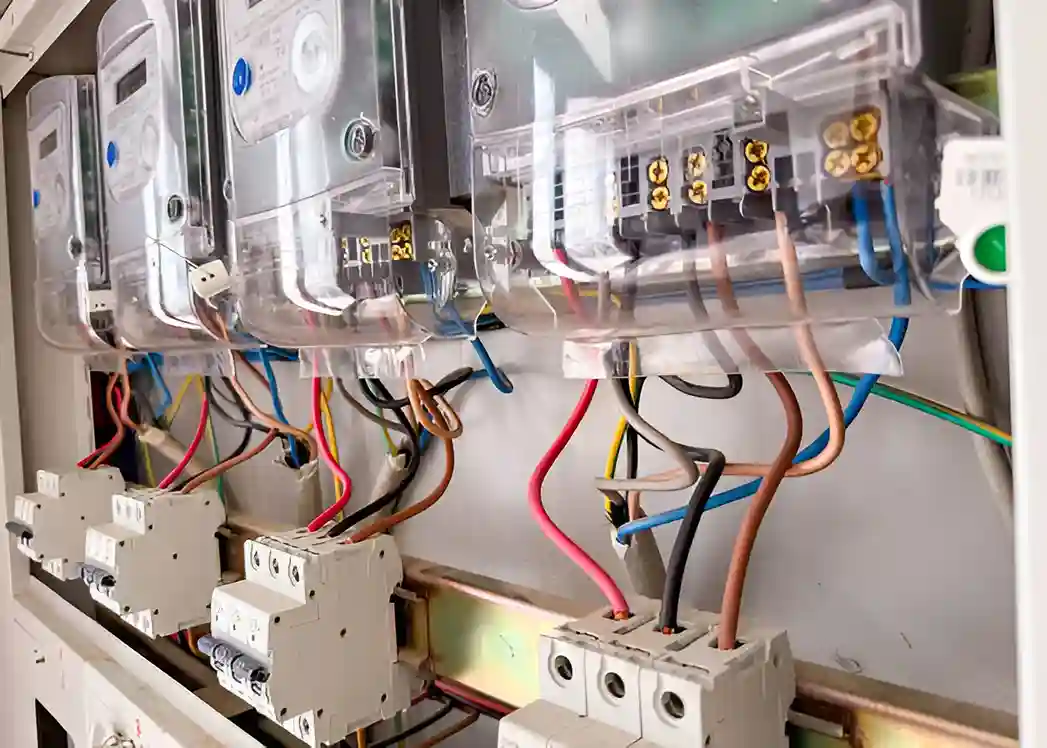
An EICR is a comprehensive check of a property’s electrical installations, such as the wiring, circuits, consumer unit (fuse board), and other electrical devices. The inspection aims to identify any faults, damage, or outdated components that may pose a risk to the safety of the building and its occupants. During the process, a certified electrician will assess the condition of the system, test for any electrical issues, and provide a detailed safety report.
Once the inspection is completed, the electrician will issue a report that outlines the findings, along with recommendations for necessary repairs or upgrades. This report confirms whether the electrical system is safe and compliant with current safety standards.
Why is an Electrical Inspection Important?
1. Safety of Occupants
The primary purpose of any electrical inspection is to ensure the safety of those living or working in the building. Faulty wiring, old electrical appliances, and outdated systems can result in electrical fires, electric shocks, or even fatalities. Regular inspections help to identify these risks before they lead to an emergency, preventing injury and ensuring a safer environment.
For property owners, ensuring that your electrical system is safe and compliant is crucial to minimizing risks. A well-maintained system can prevent accidents, damage to appliances, and reduce fire hazards.
2. Legal Compliance
In the UK, landlords are legally required to arrange for electrical inspections at least every five years. The Electrical Safety Standards in the Private Rented Sector (England) Regulations 2020 require landlords to ensure that all electrical systems are inspected and tested by a certified electrician. The EICR inspection and safety report confirm that your property’s electrical system is safe and up to code.
Failure to comply with these regulations could lead to legal action, fines, or increased liability if an electrical incident occurs. Conducting regular inspections helps property owners avoid these consequences and stay compliant with the law.
3. Insurance Protection
Many insurance providers require proof of a recent electrical inspection before offering or renewing property insurance. Without a valid EICR or safety report, your insurance policy may be invalidated in the event of an electrical fire or other incidents. Insurance companies want assurance that your property is free from electrical hazards to protect against potential claims.
By having an up-to-date safety report, you ensure that your property remains insurable and that you’re covered in case of an emergency.
4. Identifying and Fixing Issues Early
One of the key benefits of regular electrical inspections is the ability to identify issues early. Minor electrical faults, such as damaged wires or faulty outlets, can become serious problems if left unchecked. An inspection allows electricians to detect these issues before they escalate, preventing larger, more costly repairs down the line.
An EICR also helps ensure that the electrical system is operating efficiently. Faulty or outdated appliances may consume more energy than necessary, leading to higher electricity bills. Regular inspections help to optimize the system’s performance and reduce unnecessary energy consumption.
5. Peace of Mind
For both homeowners and tenants, knowing that the property’s electrical system has been thoroughly inspected provides peace of mind. Tenants can be assured that their living space is safe, and landlords can rest easy knowing they are fulfilling their legal obligations while protecting their investment.
An electrical safety report provides assurance that all necessary safety measures are in place and functioning properly, reducing the risk of electrical accidents and providing a secure environment for everyone.
The Process of an Electrical Inspection
An EICR involves a detailed process to assess the condition of your electrical installations. Here’s what to expect during the inspection:
1. Visual Inspection of Electrical Components
The electrician will begin by visually inspecting the electrical components, including the wiring, consumer unit (fuse box), circuits, and outlets. They will look for signs of wear, damage, or corrosion that could cause safety hazards. Outdated or faulty installations will also be flagged during this stage.
2. Testing the Electrical System
After the visual inspection, the electrician will conduct a series of tests to assess the performance and safety of the electrical system. This includes testing the circuit breakers, measuring the continuity of the wiring, and checking for correct earthing and bonding of the system. The goal is to ensure that the electrical system is safe and fully functional.
3. Identifying Potential Hazards
The electrician will look for any potential hazards in the electrical system. This includes checking for overloaded circuits, faulty appliances, or unsafe installations. If any issues are found, the electrician will provide a detailed report outlining the findings and the necessary actions to fix the problems.
4. Issuing the Safety Report
Once the inspection is complete, the electrician will issue an EICR report. This document will include the results of the inspection, detailing any faults, issues, and recommendations for improvements. If the inspection reveals no problems, the property will be deemed safe, and the safety certificate will confirm that the system meets safety standards.
How Often Should You Have an Electrical Inspection?
For rental properties, the law requires that the electrical systems are inspected at least once every five years. For homeowners, it’s advisable to have the system checked every 10 years or if there are any signs of electrical problems. If you’re unsure when your property last had an inspection, it’s always a good idea to schedule one as soon as possible.
If you have made significant changes to the electrical system, such as installing new appliances or wiring, it’s important to have an updated inspection to ensure everything is still in good working order.
Conclusion
An EICR is a vital tool for ensuring the safety, functionality, and legal compliance of your property’s electrical systems. Regular electrical inspections help detect potential hazards, prevent accidents, and optimize the performance of your electrical appliances. Whether you’re a homeowner, business owner, or landlord, conducting regular inspections and obtaining a safety report ensures the safety of your property and its occupants.
For landlords, it’s crucial to schedule inspections at least every five years to meet legal requirements and provide a safe living environment for tenants. For homeowners, regular checks help maintain safety and prevent costly repairs. Don’t wait for problems to arise—schedule an EICR today to ensure that your property is safe, compliant, and fully functional.