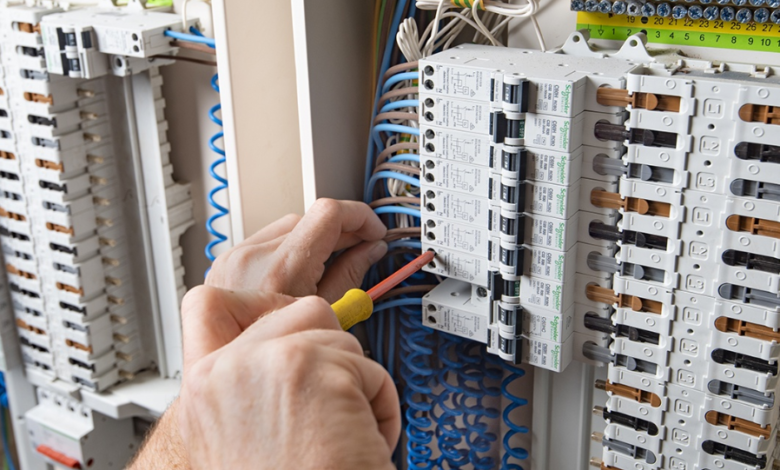
Ensuring electrical safety is not just good practice—it’s a legal and moral responsibility for property owners. An Electrical Installation Condition Report (EICR) is the formal process used in the UK to assess whether a property’s electrical systems meet current safety standards and remain safe over time.
Below is a clear, practical guide to understanding EICR certification and why it matters.
What Is an EICR?
An Electrical Installation Condition Report (EICR) is a detailed inspection and assessment of a property’s fixed electrical installations. This includes:
Consumer units (fuse boards)
Wiring systems
Sockets and switches
Light fittings
Earthing and bonding
Circuit protective devices
The inspection identifies:
Damage or deterioration
Defects that could cause electric shock or fire
Non-compliance with current regulations
Required remedial work
Why Is an EICR Necessary?
1. Safety
Faulty wiring is one of the leading causes of electrical fires in the UK. An EICR helps detect risks before they become dangerous.
2. Legal Compliance
Under the Electrical Safety Standards in the Private Rented Sector (England) Regulations 2020, landlords in England must:
Have electrical installations inspected at least every 5 years
Provide a copy of the report to tenants
Complete any required remedial work within specified timeframes
Failure to comply can result in financial penalties.
3. Insurance Requirements
Many insurers require evidence of up-to-date electrical inspections before issuing or renewing property insurance policies.
4. Preventative Maintenance
An EICR identifies minor issues early—helping avoid expensive emergency repairs later.
What Happens During an EICR Inspection?
A qualified electrician will:
Visually inspect electrical components
Test circuits for overloads and faults
Check earthing and bonding systems
Assess compliance with current standards (BS 7671 Wiring Regulations)
The report will classify findings using codes such as:
C1 – Danger present (immediate action required)
C2 – Potentially dangerous (urgent remedial work needed)
C3 – Improvement recommended
FI – Further investigation required
If C1 or C2 issues are found, remedial work must be completed before the installation is considered satisfactory.
How Often Is an EICR Required?
Typical guidance:
Rental properties – Every 5 years
Homeowners – Every 10 years (recommended)
Commercial properties – Often every 5 years (or more frequently depending on use)
Properties with high usage, older wiring, or environmental stress may require more frequent inspections.
What Does an EICR Cover?
A complete report typically evaluates:
Adequacy of earthing and bonding
Condition of wiring systems
Suitability of consumer unit and circuit breakers
Safety of switches, sockets, and lighting
Signs of overheating, wear, or damage
Correct identification and labeling
Any unsafe alterations or extensions
Choosing a Qualified Provider
When selecting an inspector:
Ensure they are a registered electrician (e.g., NICEIC or NAPIT registered)
Check experience with your property type
Ask for clear reporting and cost transparency
Confirm whether remedial work is included or quoted separately
A professional provider should explain findings clearly and outline next steps without unnecessary upselling.
Why EICR Certification Matters
Electrical systems degrade over time. Insulation weakens, connections loosen, and outdated components may no longer meet modern safety standards.
An EICR provides:
Peace of mind
Legal protection
Risk reduction
Proof of compliance
Safer living and working environments
For landlords especially, it is not optional—it is a legal obligation.
Final Thoughts
Electrical safety should never be overlooked. An EICR Certificate ensures your property’s installations are properly assessed, compliant with regulations, and safe for continued use.
Whether you’re a homeowner, landlord, or business owner, scheduling regular inspections is a responsible step toward protecting both people and property.