Introduction
A gas safety certificate is an essential document that verifies the safety of gas appliances, fittings, and systems within a property. It ensures that the gas installations are functioning properly and safely, reducing the risk of gas leaks, carbon monoxide poisoning, and fires. This certificate is required by law for landlords, businesses, and homeowners to ensure that gas systems meet safety regulations and are well-maintained. In this guide, we will explain what a gas safety certificate is, why it’s important, and who needs one.
What is a Gas Safety Certificate?
A gas safety certificate is an official document issued by a qualified gas engineer after they have inspected and tested the gas system in a property. The inspection includes checking gas appliances, pipes, and ventilation systems to ensure they are safe and working correctly. If everything meets safety standards, the engineer will issue a certificate confirming the system’s safety.
Why is a Gas Safety Certificate Important?
A gas safety certificate plays a crucial role in protecting lives and property:
- Protects People from Harm: Gas appliances, if faulty, can lead to dangerous accidents, including fires, explosions, and carbon monoxide poisoning. The certificate ensures that the system is safe to use.
- Legal Requirement for Landlords: In many countries, landlords are legally required to have a gas safety check and certificate for all gas appliances in their rental properties. Not complying can result in fines or legal issues.
- Insurance Compliance: Many insurance companies require proof of a gas safety certificate to cover damages from gas-related incidents. Regular inspections and certificates help meet these requirements.
- Peace of Mind: Having a gas safety certificate provides reassurance that your gas appliances are operating safely, reducing the risk of accidents and offering peace of mind to property owners and tenants.
Who Needs a Gas Safety Certificate?
Several individuals and businesses need a gas safety certificate, including:
- Landlords:
Landlords are required by law to ensure that gas appliances are checked annually and that tenants receive a copy of the certificate. This applies to both domestic and commercial rental properties. - Businesses:
Businesses that use gas-powered equipment or appliances must have a gas safety certificate to ensure the safety of employees and customers. Regular checks are also necessary to comply with workplace safety regulations. - Homeowners:
While homeowners are not always required to have a certificate, it’s recommended for safety and peace of mind. For homes with gas appliances, especially older systems, regular checks are crucial.
What Does a Gas Safety Inspection Include?
A gas safety inspection involves several checks to ensure the system is safe and compliant with regulations:
- Gas Appliances
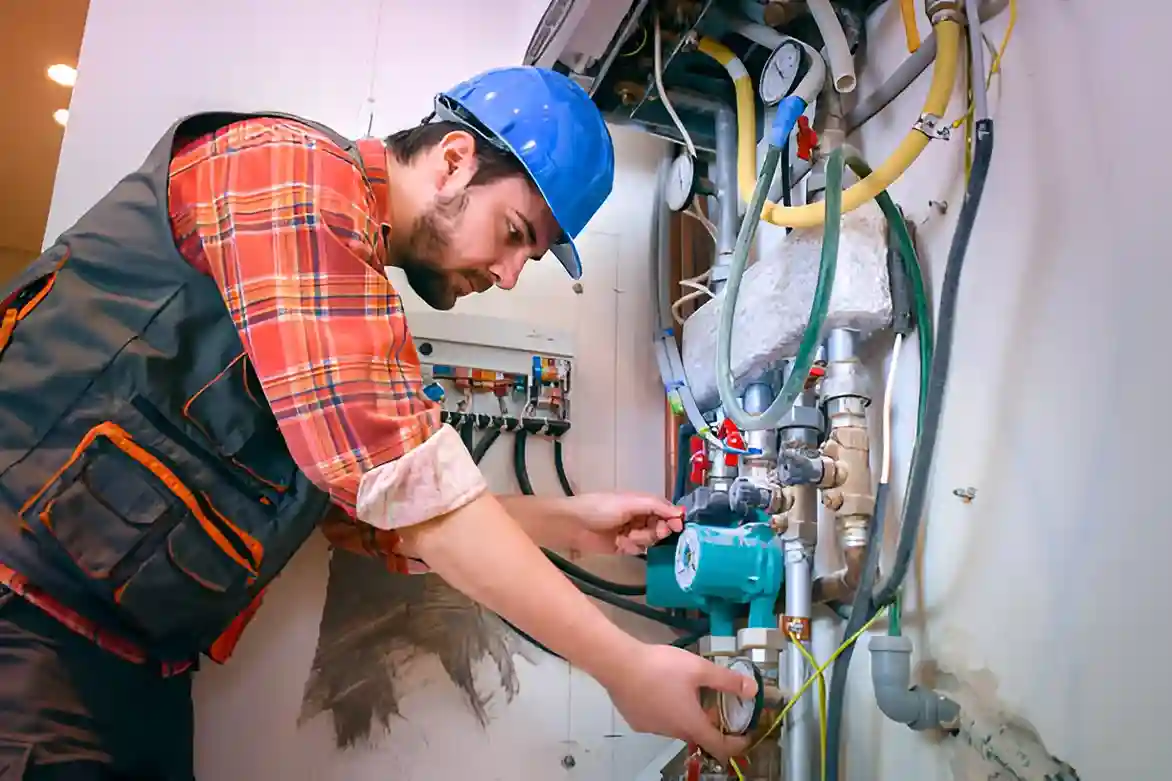
The gas engineer will check all gas appliances, such as boilers, ovens, and heaters, to ensure they are working efficiently and safely. They will look for any signs of wear, damage, or potential faults. - Gas Pipework
The engineer will inspect the gas pipes for leaks, damage, and proper insulation. Any issues with pipework can lead to leaks, which are a significant safety risk. - Ventilation
Proper ventilation is essential to prevent the build-up of harmful gases, including carbon monoxide. The engineer will ensure that gas appliances are well-ventilated, and there is no risk of gas accumulation. - Carbon Monoxide Testing
The engineer will check for any carbon monoxide leakage, particularly in poorly ventilated areas or around faulty appliances. They may use special devices to detect and measure carbon monoxide levels. - Pressure Testing
The engineer will conduct pressure tests to ensure that the gas system is functioning correctly and safely. This helps identify any potential leaks or issues with gas flow. - Flue and Chimney Inspection
For gas appliances that use flues or chimneys, the engineer will ensure they are free from obstructions and safely expelling gases.
How Often Should a Gas Safety Certificate Be Renewed?
The gas safety certificate needs to be renewed regularly:
- For Landlords:
Landlords are required by law to have a gas safety check every 12 months. The certificate is valid for one year, after which a new inspection must be conducted. - For Businesses:
For commercial properties, gas safety certificates must also be renewed annually, depending on the type and frequency of gas usage. - For Homeowners:
Homeowners should aim to have a gas safety check at least every year. If your system is older or if you’ve experienced any issues, it’s advisable to schedule more frequent inspections.
How to Get a Gas Safety Certificate
To get a gas safety certificate, follow these steps:
- Hire a Qualified Gas Engineer
Ensure you hire a gas engineer who is registered with the Gas Safe Register. This is the official list of qualified engineers who are legally allowed to work on gas installations and appliances. - Schedule an Inspection
Once you’ve hired a certified engineer, schedule a date for the inspection. The engineer will visit the property, conduct the necessary checks, and provide the certificate if the system is deemed safe. - Receive the Certificate
After the inspection, the engineer will issue the gas safety certificate if everything is in order. If any issues are found, the engineer will provide recommendations for repairs or improvements. - Keep a Copy
It is important to keep a copy of the gas safety certificate for your records. Landlords must also provide a copy to tenants, and businesses should keep it as part of their safety documentation.
What Happens if You Don’t Have a Gas Safety Certificate?
If you fail to obtain or renew your gas safety certificate, you could face serious consequences, including:
- Legal Penalties:
Landlords and businesses could face fines or legal action for failing to comply with gas safety regulations. - Insurance Issues:
Without a valid certificate, insurance claims for gas-related incidents may be denied, leaving property owners financially liable for damages. - Increased Risk:
The absence of regular safety checks increases the likelihood of dangerous gas-related accidents, including leaks, fires, or carbon monoxide poisoning.
Conclusion
A gas safety certificate is an essential document that ensures your gas appliances and systems are functioning safely and efficiently. Whether you’re a landlord, business owner, or homeowner, regular inspections and obtaining a certificate can help prevent accidents, ensure legal compliance, and provide peace of mind. Always ensure you work with a qualified gas engineer to conduct the inspection and issue the certificate.