Gas safety is a critical aspect of maintaining a safe living or working environment. Whether you are a homeowner, landlord, or business owner, ensuring that your property’s gas appliances and systems are functioning correctly and safely is crucial. A gas safety certificate is one of the key documents confirming the safety of gas systems in your property. In this article, we will explore the importance of gas safety inspections, the benefits of regular checks, and how a gas safety certificate helps ensure compliance with legal requirements.
What is a Gas Safety Certificate?
A gas safety certificate is a formal document issued by a Gas Safe registered engineer after a thorough inspection of a property’s gas appliances and systems. The inspection ensures that all gas installations, such as boilers, cookers, and fire systems, are functioning properly and safely. If the appliances are deemed safe, a certificate is issued to confirm that the property is compliant with the required safety standards.
In the UK, for example, landlords are legally required to have their rental properties inspected annually and provide tenants with a copy of the certificate within 28 days of the inspection. This ensures that the property is safe for occupancy and meets gas safety regulations.
Why Gas Safety Inspections Are Essential
1. Protecting Health and Safety
The primary goal of a gas safety inspection is to protect the health and safety of everyone in the building. Faulty or poorly maintained gas appliances can lead to serious risks, such as gas leaks, carbon monoxide poisoning, and fires. Regular inspections help to detect these hazards early, allowing corrective actions to be taken before a potential emergency occurs.
A gas safety check ensures that appliances such as boilers, cookers, and heating systems are working as they should, preventing harmful gases from entering the building. Carbon monoxide, in particular, is a deadly, odorless gas that can cause severe illness or even death. An inspection helps to ensure that your gas appliances are not producing harmful emissions.
2. Legal Compliance
In many regions, including the UK, conducting a gas safety inspection and obtaining a gas safety certificate is not only a best practice but a legal requirement. For landlords, the Gas Safety (Installation and Use) Regulations 1998 mandates that all gas appliances in rental properties must be inspected annually by a Gas Safe registered engineer. After the inspection, a gas safety certificate must be provided to tenants within 28 days.
Failure to comply with these regulations can result in heavy fines, legal penalties, and even the inability to rent out a property until the issue is rectified. Ensuring that your property has a valid gas safety certificate helps you stay compliant with the law, protect your tenants, and avoid potential fines.
3. Insurance and Claims Protection
Many insurance companies require a valid gas safety certificate before offering coverage for a property. If a gas-related incident were to occur, having an up-to-date inspection and certificate helps ensure that your insurance claim will be accepted. Without proper documentation, such as a gas safety certificate, you may face challenges when trying to claim compensation for damages resulting from gas leaks or fires.
For business owners, ensuring that your commercial property meets gas safety standards is just as crucial. Insurance providers may require you to have a gas safety inspection to secure commercial insurance, and the certificate serves as proof of compliance with safety regulations.
4. Preventing Costly Repairs
Another benefit of regular gas safety inspections is that they can help identify potential issues before they escalate into larger, more expensive problems. For example, a small leak or malfunction in a gas appliance may seem insignificant but can cause significant damage over time. By having your gas appliances inspected regularly, you can detect minor issues early, potentially saving you from costly repairs or replacements.
Moreover, an inspection ensures that appliances are working efficiently, which can help lower your energy bills. Faulty gas systems can consume more energy, leading to higher costs. By keeping your appliances in good condition, you can reduce energy waste and save money on your utility bills.
The Gas Safety Inspection Process
A gas safety inspection typically involves the following steps:
1. Visual Inspection of Appliances
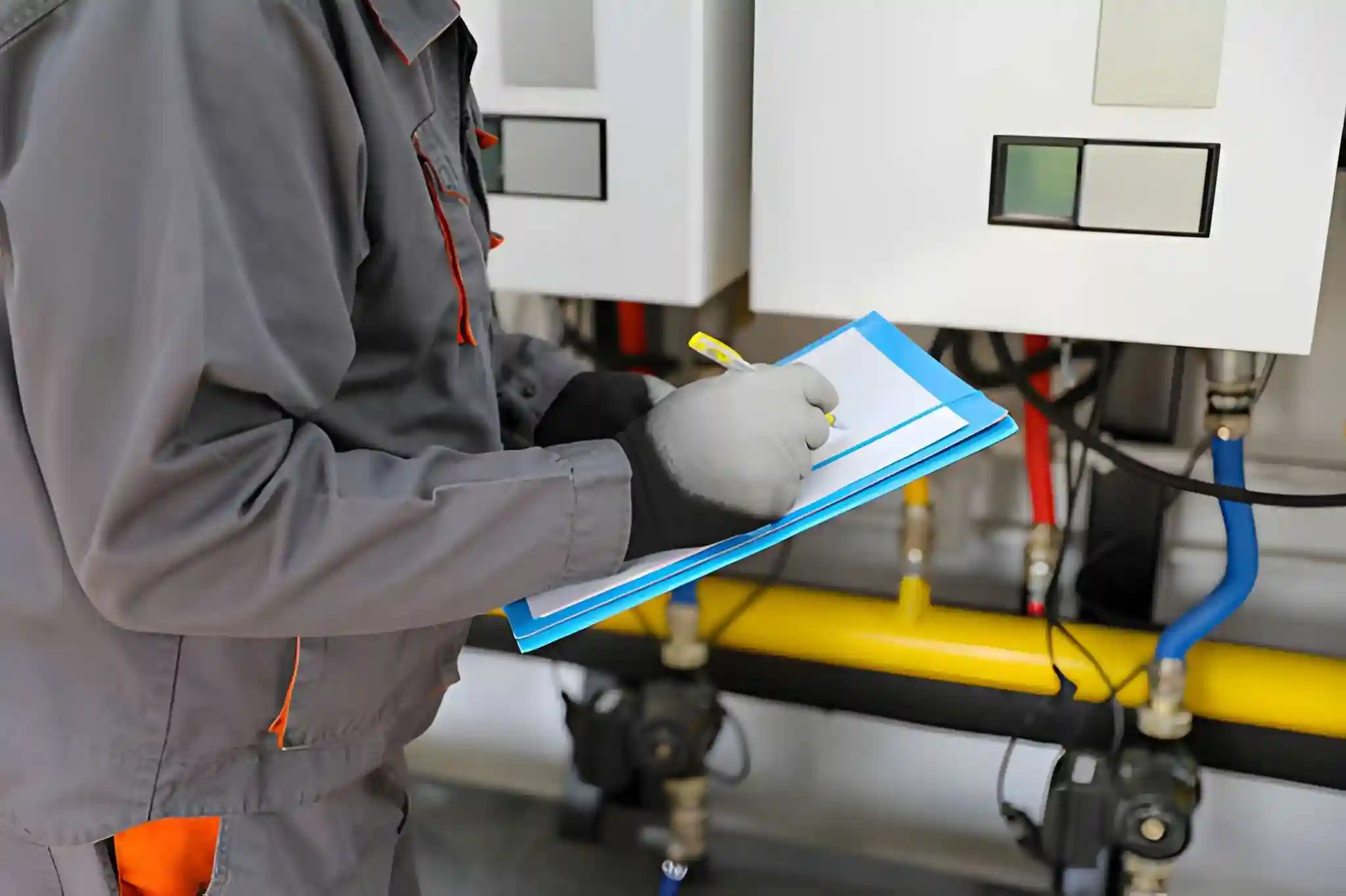
The engineer will visually inspect all gas appliances in the property, including boilers, cookers, and fires. They will look for any signs of damage, wear, or improper installation that could pose a safety risk. The engineer will also ensure that the appliances are appropriately placed and that gas connections are secure.
2. Testing for Gas Leaks
The engineer will test the gas supply lines for leaks, ensuring that there are no gas escapes that could pose a fire or health risk. Gas leaks are one of the most dangerous hazards, and a thorough inspection is necessary to detect even the smallest leaks.
3. Checking Ventilation and Flues
Flues and ventilation systems are essential for ensuring that harmful gases, including carbon monoxide, are vented outside the building. The engineer will check that the flue systems are clear and properly installed. Blocked or damaged flues can lead to dangerous gas buildup inside the property, so ensuring that they are working properly is critical for safety.
4. Reviewing the System’s Overall Performance
The engineer will assess the performance of each gas appliance, checking for efficiency and ensuring that everything is working as it should. If an appliance is not functioning properly, the engineer will provide recommendations for repairs or replacements.
5. Issuing the Gas Safety Certificate
Once the inspection is complete, the engineer will provide a gas safety certificate if the appliances pass the inspection. This certificate will detail the condition of the gas appliances, any faults or issues found, and any recommendations for repairs or upgrades. For landlords, the certificate must be provided to tenants, ensuring compliance with legal requirements.
How Often Should a Gas Safety Check Be Done?
The Gas Safety (Installation and Use) Regulations 1998 require that gas appliances in rental properties be checked at least once a year. For homeowners and businesses, while it’s not a legal obligation, having regular gas safety inspections is strongly recommended to ensure the safety of the property and its occupants. If you have not had a gas safety check in the last year, it is highly recommended that you schedule one to ensure your appliances are functioning safely.
Conclusion
A gas safety certificate is an essential document for ensuring the safety of your property’s gas appliances. Regular inspections help to detect gas-related hazards early, protecting the lives of your tenants, family members, or employees. For landlords, obtaining and providing a gas safety certificate is not only a legal obligation but also a responsibility to protect your tenants from potential harm. For homeowners, regular gas safety checks provide peace of mind and help prevent costly repairs down the line.