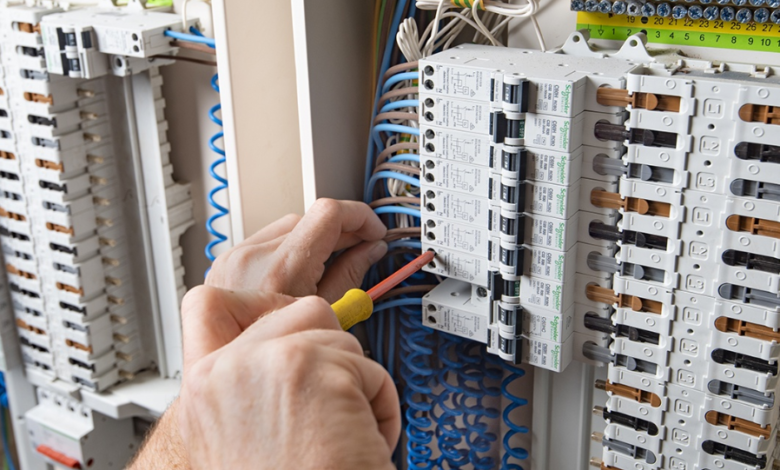
Being a landlord comes with significant legal responsibilities. Whether you own a single rental property or manage a portfolio, staying compliant with UK regulations is essential. From arranging an up-to-date EICR London inspection to completing Fire Risk Assessments London, landlords must meet strict safety and legal standards.
Failure to comply can result in fines, invalid eviction notices, rent repayment orders, or even criminal charges. This guide outlines the key legal obligations every landlord must meet to remain compliant and protect both tenants and property investments.
Understanding the Importance of Legal Compliance
When you let out a property, you enter a legally binding relationship with your tenant. UK housing law is designed to ensure safety, fairness, and transparency.
Meeting legal standards helps you:
Avoid fines and legal action
Protect tenant wellbeing
Maintain property value
Strengthen your professional reputation
Prevent costly disputes
Compliance isn’t just about avoiding penalties — it’s about running a responsible and sustainable rental business.
Tenancy Agreements and Required Documents
Written Tenancy Agreement
Most private rentals operate under an Assured Shorthold Tenancy (AST). Your written agreement should clearly outline:
Rent amount and payment dates
Deposit details
Repair responsibilities
Notice periods
Rules and restrictions
“How to Rent” Guide
You must provide tenants with the latest version of the government’s How to Rent guide at the start of the tenancy. Failing to do so may prevent you from serving a valid Section 21 notice later.
Protecting the Tenant’s Deposit
If you take a deposit, you must:
Protect it in a government-approved tenancy deposit scheme
Provide prescribed information within 30 days
Failure to comply can result in:
Fines of up to three times the deposit amount
Inability to serve a valid Section 21 notice
Safety Certificates and Mandatory Inspections
Ensuring tenant safety is a core legal duty.
Gas Safety Certificate
You must arrange an annual gas safety check conducted by a Gas Safe registered engineer. A copy of the certificate must be:
Given before move-in
Renewed every 12 months
Electrical Safety Certificate (EICR)
Under the Electrical Safety Standards Regulations, landlords must obtain an Electrical Installation Condition Report (EICR) at least every five years.
An up-to-date EICR London inspection confirms that:
Electrical installations are safe
Hazards are identified
Remedial works are completed if required
A copy must be provided to tenants.
Energy Performance Certificate (EPC)
An EPC is legally required at the start of a tenancy. The property must have a minimum rating of E to be rented legally.
If your property falls below this threshold, improvements must be made before letting.
Fire Safety Requirements
Fire safety is one of the most critical areas of compliance.
Landlords must:
Install working smoke alarms on every floor
Install carbon monoxide detectors where solid fuel appliances are present
Test alarms on the first day of tenancy
Ensure furniture complies with fire safety standards
In some cases — particularly HMOs — you may also need a formal Fire Risk Assessment London to identify hazards and implement control measures.
For Houses in Multiple Occupation (HMOs), additional fire safety requirements apply, including:
Clear escape routes
Fire doors
Fire alarm systems
Emergency lighting
Right to Rent Checks
Landlords in England must verify that tenants have the legal right to rent in the UK.
This involves:
Checking original documents (passport, visa, etc.)
Conducting checks in the tenant’s presence
Keeping copies and recording the date
Failure to conduct proper checks can result in significant penalties.
Licensing Requirements
Some rental properties require a licence from the local council.
Mandatory licensing applies to:
Large HMOs
Many councils also operate:
Additional licensing schemes
Selective licensing schemes
Letting a property without the required licence is a criminal offence and can lead to heavy fines or rent repayment orders.
Repairs, Maintenance, and Habitability
Landlords are legally responsible for maintaining:
Structure and exterior (roof, walls, windows)
Plumbing and heating systems
Electrical wiring
Drainage and sanitation
Under the Homes (Fitness for Human Habitation) Act, properties must be free from serious hazards such as:
Damp and mould
Poor ventilation
Unsafe electrics
Structural instability
Ignoring repair requests can result in council enforcement action or court proceedings.
Data Protection and Tenant Privacy
If you collect tenant data (names, addresses, bank details), you must comply with UK data protection laws.
You must:
Store data securely
Use it only for legitimate purposes
Respect tenant privacy
Except in emergencies, you must give at least 24 hours’ written notice before entering the property.
Eviction and Possession Procedures
To regain possession legally, landlords must follow proper procedures.
For AST tenancies, this usually involves:
Section 21 notice (no-fault eviction)
Section 8 notice (breach of tenancy)
You cannot evict a tenant without a court order. Illegal eviction can lead to prosecution and substantial fines.
Importantly, before serving a Section 21 notice, you must have:
Protected the deposit correctly
Provided the How to Rent guide
Supplied valid gas and electrical certificates
Failure to meet these requirements invalidates the notice.
Staying Updated with Legal Changes
Landlord regulations frequently change. Stay informed by:
Checking official government guidance
Joining landlord associations
Consulting property professionals
Reviewing compliance annually
Regular reviews ensure you stay ahead of new legislation and avoid unexpected issues.
Final Checklist: Are You Compliant?
✔ Written tenancy agreement provided
✔ Deposit protected within 30 days
✔ Gas Safety Certificate (annual)
✔ Valid EICR London certificate (every 5 years)
✔ EPC rating E or above
✔ Smoke and CO alarms installed and tested
✔ Fire Risk Assessments London completed if required
✔ Right to Rent checks completed
✔ Licensing requirements confirmed
✔ Repairs and maintenance up to date
✔ Data handled securely
✔ Proper eviction procedures followed
Conclusion
Legal compliance is not optional — it’s fundamental to being a responsible landlord. From safety inspections and documentation to tenant rights and property maintenance, every requirement plays a role in protecting both you and your tenants.
By reviewing this checklist regularly and staying informed about regulatory updates, you can confidently operate your rental property within the law — avoiding penalties while building a professional, trustworthy rental business.