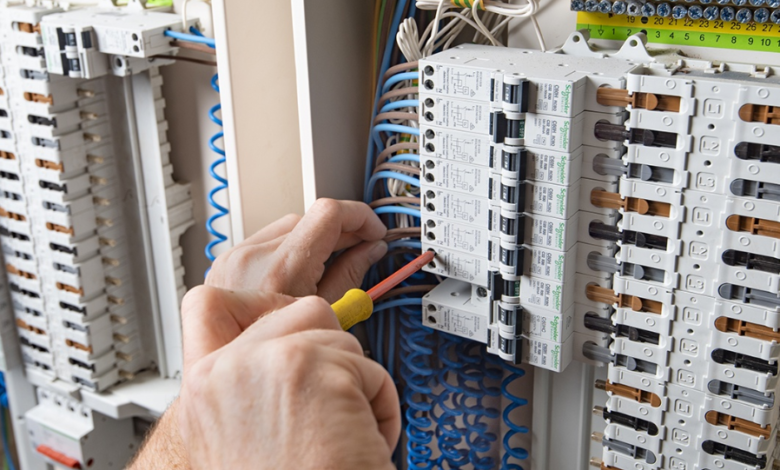
1. Conduct a Professional Fire Risk Assessment
Under the Regulatory Reform (Fire Safety) Order 2005, every UK business must carry out a suitable and sufficient fire risk assessment.
A professional assessment will:
Identify ignition sources (faulty wiring, equipment, heating systems)
Highlight combustible materials or storage risks
Review escape routes and emergency lighting
Assess fire detection and alarm systems
Recommend corrective actions
If you employ five or more people, you are legally required to record the findings.
Regular reviews are essential — especially if you:
Change your layout
Add new equipment
Increase staff numbers
Alter storage arrangements
2. Install & Maintain Fire Detection Systems
Smoke alarms and fire alarm systems are your first warning mechanism.
You should:
Install alarms in key areas
Ensure systems meet British Standards
Test alarms weekly
Arrange annual professional servicing
Early detection gives staff and customers valuable time to evacuate safely.
3. Maintain Clear, Well-Marked Escape Routes
Escape routes must always be:
Clearly signed
Well lit
Free from obstructions
Easy to open without a key
Emergency lighting must function during power failures. Regular testing is not just best practice — it’s a legal requirement.
Blocked exits are one of the most common failings identified during inspections.
4. Carry Out Regular Fire Drills
Fire drills help prevent panic and confusion.
Your fire drill plan should include:
Clear evacuation procedures
Designated fire wardens (if appropriate)
Assembly points
Headcount procedures
Practising these steps ensures staff respond calmly and efficiently in a real emergency.
5. Keep Firefighting Equipment Accessible
Every business should have appropriate firefighting tools on-site, such as:
Fire extinguishers (correct types for your risk profile)
Fire blankets (especially in kitchens)
Sprinkler systems (where required)
Extinguishers must be:
Clearly labelled
Easily accessible
Serviced annually
Staff should also receive basic training on how and when to use them safely.
6. Reduce Everyday Fire Hazards
Simple housekeeping significantly lowers risk:
Avoid overloading electrical sockets
Store flammable materials safely
Keep electrical systems inspected regularly
Switch off non-essential equipment overnight
Maintain heating systems properly
Electrical faults are one of the leading causes of commercial fires — routine inspections are essential.
7. Create a Fire Safety Policy
Even small family businesses benefit from a written fire safety policy. This should outline:
Responsibilities
Emergency procedures
Equipment maintenance schedules
Training plans
Clear documentation demonstrates compliance and protects you legally.
Why Fire Safety Matters for Family Businesses
Family businesses often operate in close-knit environments where staff, customers, and relatives overlap. A fire doesn’t just damage property — it can:
Disrupt livelihoods
Harm long-standing community relationships
Lead to legal penalties
Invalidate insurance if compliance isn’t met
Taking fire safety seriously protects both your people and your legacy.
Final Thoughts
While no business can eliminate fire risk entirely, consistent prevention measures, professional assessments, and staff training dramatically reduce the likelihood and impact of an incident.