Owning rental property in the UK means staying fully informed about evolving building safety laws. Recent legislative changes have significantly increased landlord accountability, particularly around fire safety, structural integrity, and high-rise residential buildings. Here’s what you need to know.
Key Legislation Every Landlord Should Understand
Several core laws govern building safety in England:
Housing Act 2004
Regulatory Reform (Fire Safety) Order 2005
Building Safety Act 2022
Together, these laws require landlords to ensure properties are safe, structurally sound, and free from serious hazards.
Fire Safety Responsibilities
Fire safety is one of the most strictly enforced areas of compliance.
Minimum Requirements
Landlords must:
Install smoke alarms on every storey of the property
Install carbon monoxide alarms in rooms with solid fuel appliances
Ensure alarms are tested at the start of each tenancy
For properties with communal areas (such as blocks of flats or HMOs), a fire risk assessment is legally required under the Fire Safety Order.
Fire Risk Assessments (FRA)
A professional fire risk assessment identifies hazards such as:
Blocked escape routes
Faulty fire doors
Inadequate fire detection systems
Combustible materials in communal areas
In multi-occupancy buildings, the “responsible person” (usually the landlord or managing agent) must ensure assessments are completed and regularly reviewed.
The Impact of the Building Safety Act 2022
The Building Safety Act 2022 was introduced following the tragic Grenfell Tower fire, which exposed major failings in building regulation and oversight.
What Changed?
Creation of the Building Safety Regulator
Stricter oversight of high-risk residential buildings (18m+ or 7+ storeys)
Mandatory registration of higher-risk buildings
Stronger accountability for owners and managing agents
Greater transparency and resident engagement
Even if you do not own a high-rise property, the Act reflects a broader shift toward increased landlord responsibility and documentation.
Electrical and Gas Safety Requirements
Electrical Safety
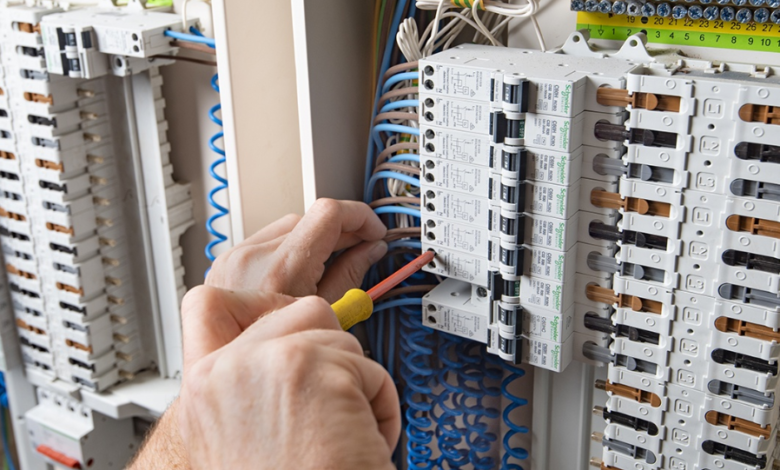
Under current regulations, landlords must obtain an Electrical Installation Condition Report (EICR) at least every five years. This ensures:
Wiring is safe
Consumer units meet standards
No risk of electric shock or fire
Tenants must receive a copy of the report.
Gas Safety
Landlords must arrange an annual inspection by a Gas Safe registered engineer and provide tenants with a gas safety certificate within:
28 days of the annual check
Before move-in for new tenants
Failure to comply can result in fines or criminal prosecution.
Structural Integrity & General Repairs
Under the Housing Act 2004, properties must be free from Category 1 hazards identified under the Housing Health and Safety Rating System (HHSRS).
This includes:
Unsafe staircases or balconies
Damp and mould
Roof leaks
Collapsing ceilings
Faulty windows and doors
Prompt maintenance isn’t just good practice — it’s legally required.
Licensing & High-Risk Properties
If you operate a House in Multiple Occupation (HMO), you may require a licence from your local authority. Larger HMOs and some properties in designated areas must meet stricter fire and space standards.
Failure to obtain a required licence is a criminal offence.
Tenant Communication & Documentation
Landlords must:
Provide gas safety and EICR certificates
Explain fire safety measures
Give clear emergency instructions
Respond promptly to safety concerns
Open communication strengthens compliance and builds trust.
Consequences of Non-Compliance
Local authorities can issue:
Improvement notices
Prohibition orders
Civil penalties (up to £30,000 per breach in some cases)
Criminal prosecution
Banning orders
Beyond financial penalties, non-compliance can severely damage your professional reputation.
Staying Up to Date
Building safety laws continue to evolve. Landlords should regularly consult official guidance from:
UK Government housing pages
Local council websites
Professional landlord associations
Proactive compliance prevents costly mistakes.
Final Thoughts
Building safety law is about more than ticking boxes — it’s about protecting lives and safeguarding your investment.
By staying informed, conducting regular inspections, maintaining clear records, and responding swiftly to safety concerns, you demonstrate responsible property management and reduce legal risk.