
Creating a secure environment for your children is one of the most vital responsibilities of parenthood. As infants grow into curious toddlers and adventurous adolescents, the house that once felt perfectly secure can suddenly present unexpected hazards.
Implementing proactive home safety tips is not just about reacting to accidents; it is about structuring your living space to prevent them entirely. Below is a comprehensive guide designed to help families identify hidden risks and establish a secure, worry-free environment for their children.
Living Rooms and Common Areas: Preventing Falls and Tipping Hazards?
The spaces where your family spends the most time often harbor the highest number of hidden risks. High-traffic areas require a dedicated strategy to minimize injuries from trips, falls, and heavy furniture.
Anchor Heavy Furniture: Children naturally love to climb. Secure all bookshelves, dressers, and television stands to the wall using heavy-duty anti-tip straps.
Soften Sharp Corners: Apply low-profile foam bumpers to the sharp edges of coffee tables, media consoles, and low shelves to prevent painful bumps and lacerations.
Secure Window Areas: Keep cords for blinds completely out of reach to eliminate entanglement risks, and install window guards that prevent windows from opening more than four inches.
Kitchen Safety: Managing Heat, Knives, and Chemicals

The kitchen is the heart of the home, but it is also full of dangerous tools and appliances. Adhering to strict home safety tips in this zone is crucial for preventing burns and poisoning.
Enforce a Safe Cooking Zone: Always cook on the back burners of your stove when possible, and turn pot handles inward so they cannot be grabbed from below.
Lock Down Dangerous Items: Store cutlery, heavy appliances, and food processors in high cabinets or drawers equipped with childproof safety latches.
Relocate Chemical Cleaners: Dishwasher pods, oven cleaners, and sprays should never be kept under the sink unless that cabinet is securely locked. Consider moving them to an upper utility closet instead.
Bathroom Precautions: Water Safety and Medication Storage
Bathrooms present unique challenges, primarily revolving around water hazards and accessibility to medication. Simple shifts in your routine can drastically lower these risks.
Water Safety Protocols
Never leave a young child unattended in the bathroom, even for a few seconds. A toddler can drown in less than two inches of water. Always empty the bathtub completely immediately after use and keep toilet lids closed and locked with a simple strap latch.
Secure Storage for Wellness Products
Keep all prescriptions, over-the-counter medications, vitamins, and even cosmetics entirely out of sight and reach. Treating these items with the same caution as household chemicals is one of the most effective home safety tips a parent can follow.
Electrical and Fire Prevention Measures
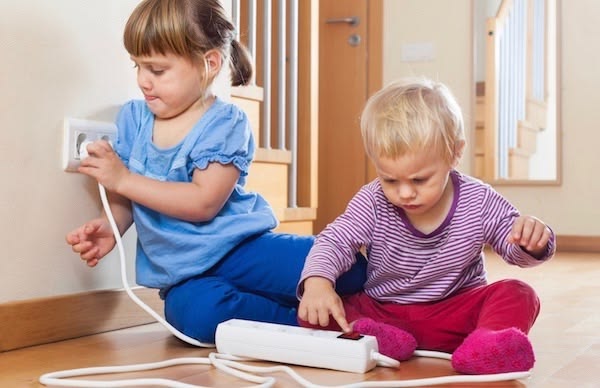
Modern homes run on a web of electricity and electronics, making electrical safety a non-negotiable part of childproofing.
Upgrade to Tamper-Resistant Outlets: Traditional plastic outlet caps can be pulled out by determined toddlers and pose a choking hazard. Instead, install sliding, tamper-resistant outlet covers.
Manage Power Strips and Cords: Hide power strips inside specialized cable management boxes and tuck long cords securely behind heavy furniture to eliminate tripping and chewing hazards.
Maintain Fire Alarms: Test your smoke and carbon monoxide detectors monthly. Developing and practicing a family fire escape plan ensures everyone knows exactly what to do in an emergency.
Outdoor and Garage Security: Beyond the Front Door
Childproofing does not end at the back door. The garage, driveway, and backyard require the same diligent application of home safety tips as your interior spaces.
Lock Up Tools and Automotive Fluid: Garages often contain power tools, lawnmowers, fertilizers, and antifreeze (which has a deceptively sweet smell and is highly toxic). Keep these items locked inside robust cabinets.
Secure the Perimeter: Ensure backyard gates have self-closing mechanisms and latches placed high out of a child’s reach.
Prioritize Pool Safety: If you have a residential pool, it should be completely surrounded by a four-foot fence featuring a self-latching gate to prevent unsupervised access.
Conclusion
Securing your living space is an evolving process that adapts as your children grow and develop new skills. By systematically implementing these core home safety tips, you transform your living spaces into a supportive sanctuary where your family can thrive. Take the time this weekend to walk through your house from a child’s perspective eye-level with the coffee table and address any hidden risks you find. Your diligence today ensures a much happier, healthier tomorrow for your loved ones.